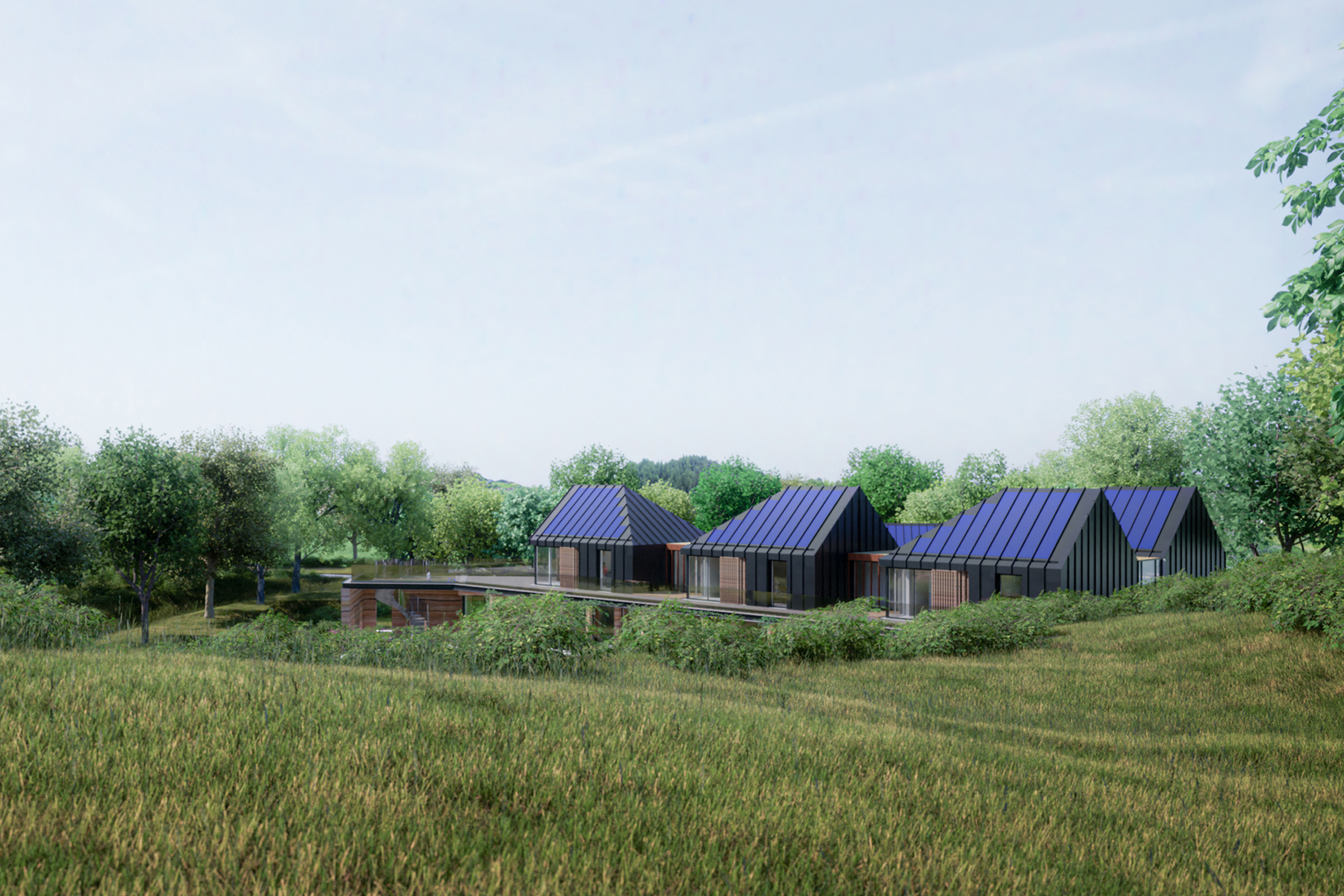
Sustainable Design.
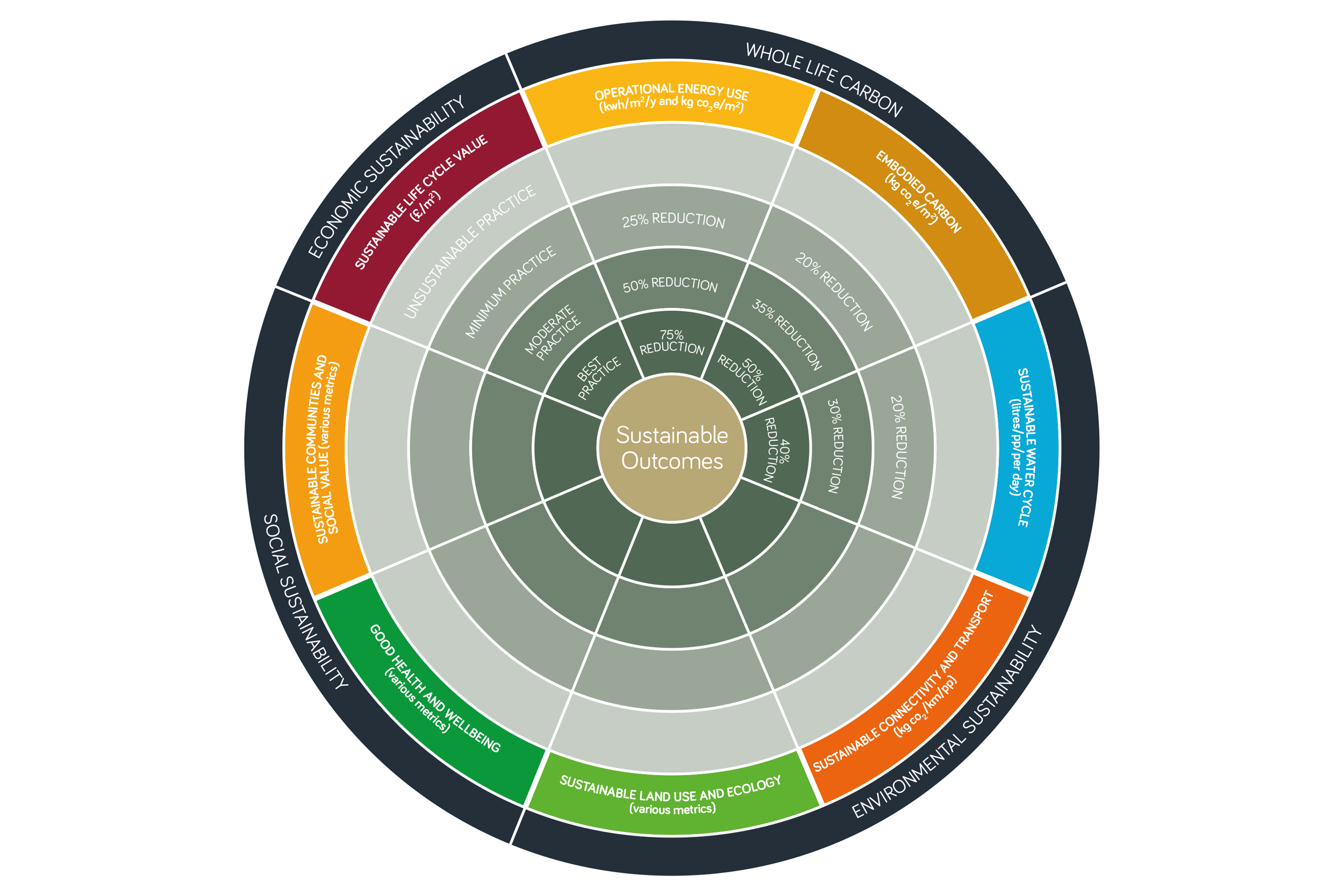
A sustainable future.
Sustainable design is a core passion at Anderson HollandGreen. We have ambitious targets for advancing the ethical design of buildings and landscapes with the goal of creating renewable, regenerative architecture that can be maintained for generations to come.
We aim to embed sustainability into all that we do and are committed to meeting the targets outlined in the RIBA 2030 Climate Challenge.
A fabric first approach.
By adopting a fabric first approach with our projects, we can reduce the energy consumption a building will need over the course of its lifespan. Improving the thermal efficiency of the building envelope can drastically reduce energy losses through the walls, windows, doors, floors, and ceilings. This is done to the highest possible standard before considering any electrical, mechanical, or technological system integrations, allowing us to be more efficient and economical with our choices.
Passive Design.
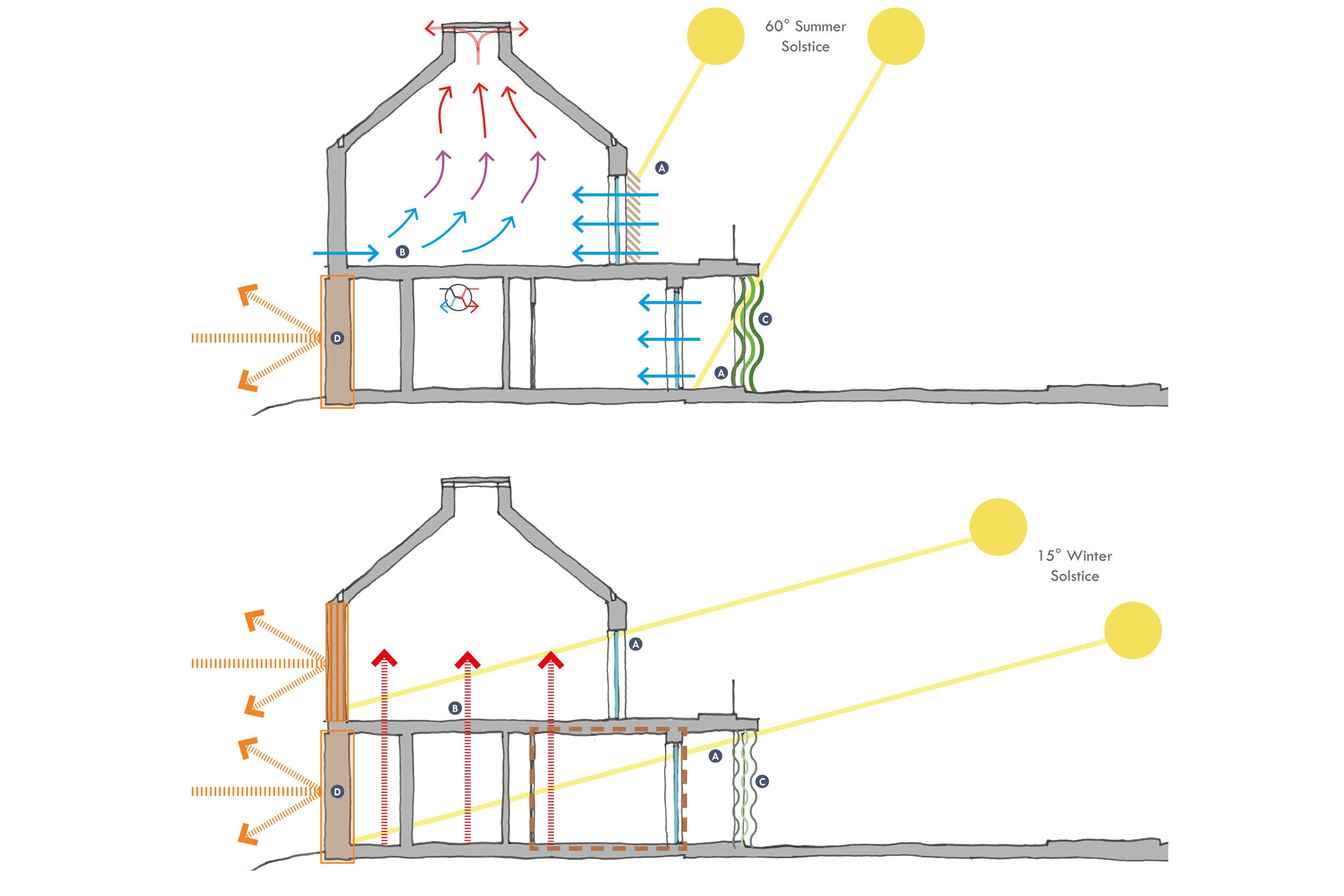
We use passive design measures to harness natural resources within buildings, allowing our designs to adapt to the environmental changes and maintain comfortable internal temperatures throughout the year. Passive (solar) heating, cooling, and ventilation can be maximised by considering the orientation, layout and position of a building in relation to the changing seasonal sun paths and prevailing winds.
By considering glazing size, solar shading, thermal mass, and bioshading, we can increase the effectiveness of passive strategies and reduce the need for additional energy sources.
Technology and analysis.
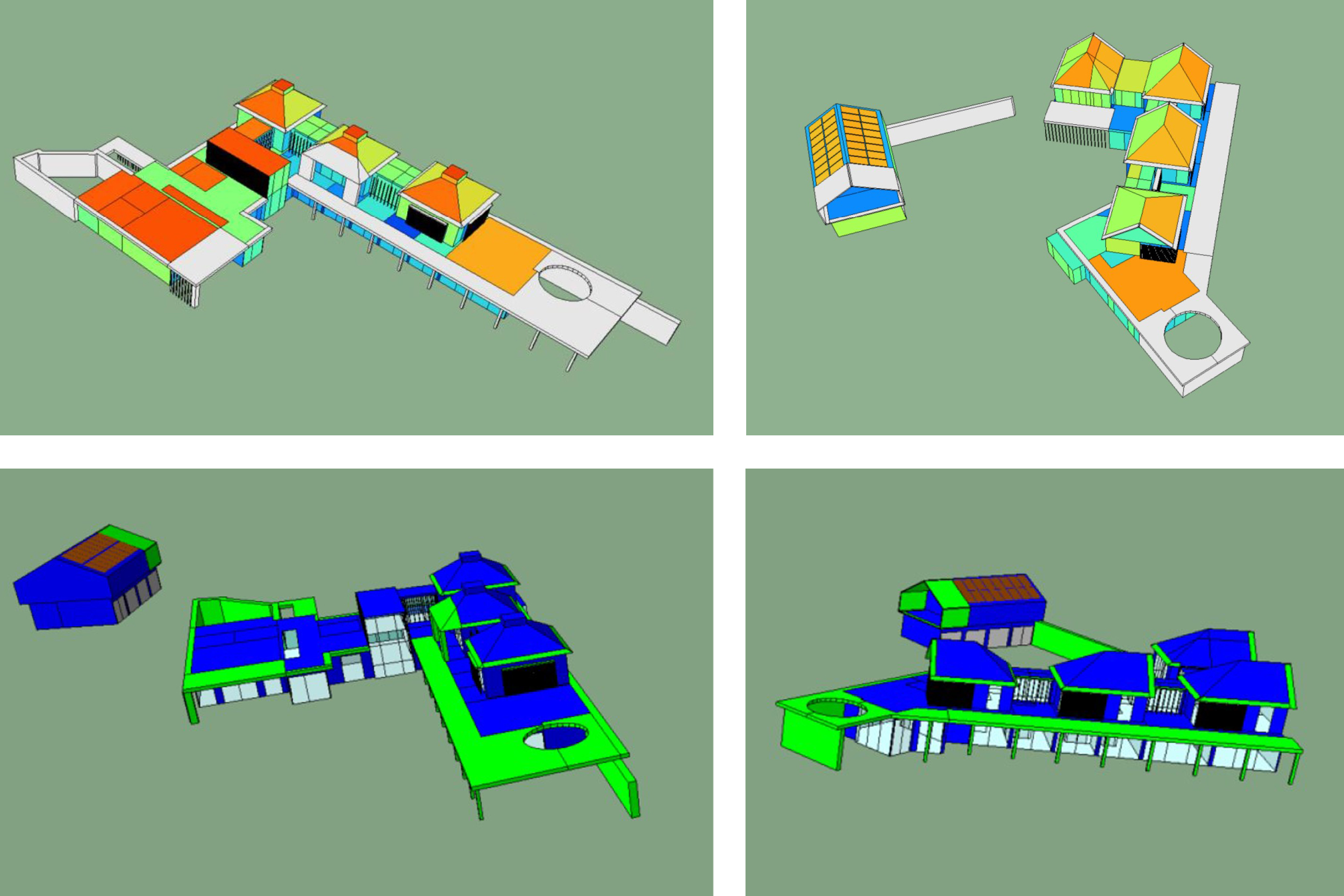
Sustainable technology and systems can be integrated into buildings to support and maintain comfortable internal conditions. The use of renewable technology can both improve energy efficiency and reduce the operational emissions a building will require over its lifespan.
Technology is used to support heating / cooling, ventilation, energy generation, and water consumption. With our designs we carefully select strategies based on their suitability within a specific site. We work with sustainability consultants Mesh Energy who carry out analysis on our projects to determine this suitability.
Living with nature.
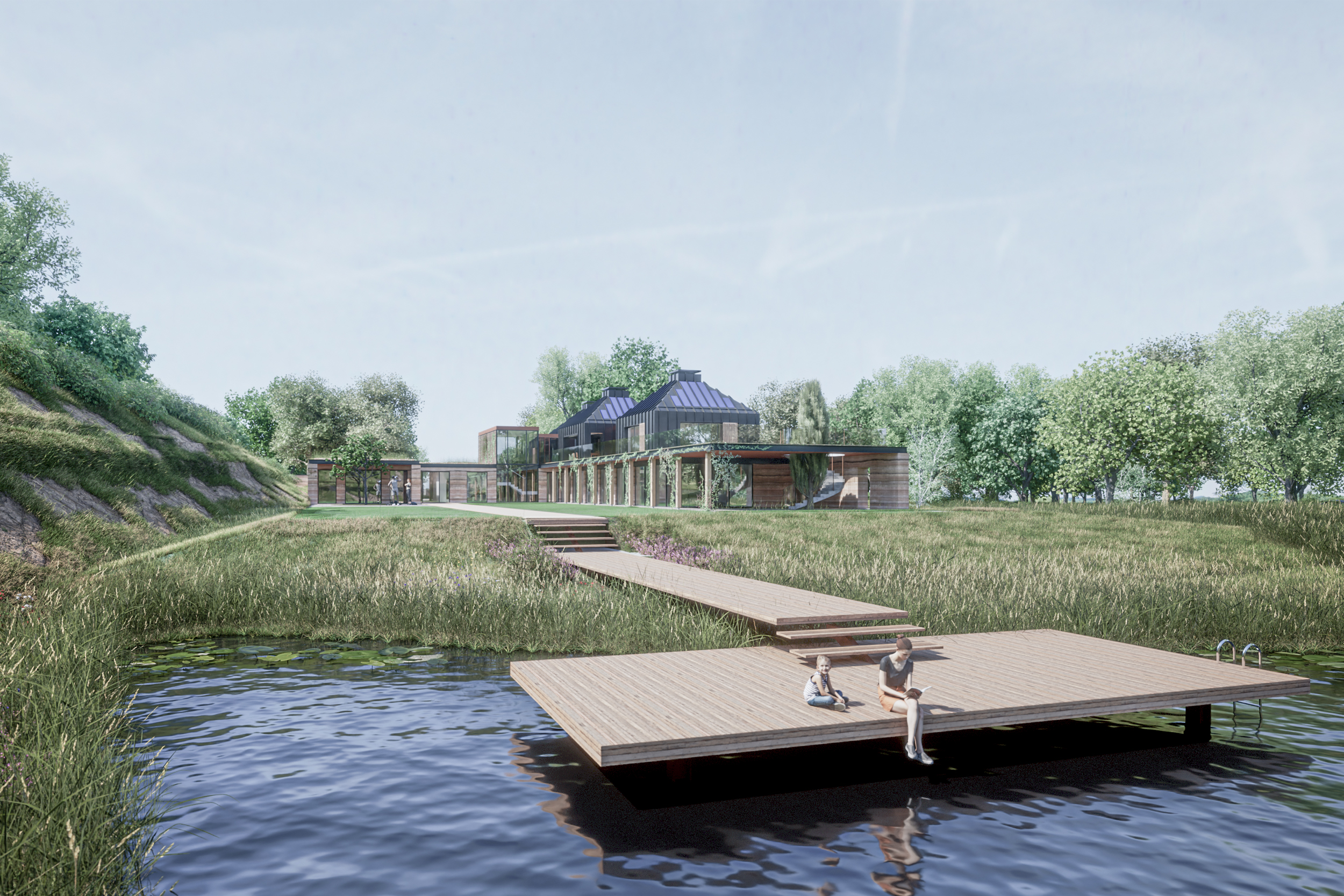
Central to our design philosophy is our personal relationship with nature and how we interact with our surroundings. We recognise our role as part of a wider ecosystem and want to surround our buildings with a range of healthy, vibrant habitats. By combining conventional gardens with wildlife-friendly landscapes and natural water pools, opportunities are provided for people to reconnect with the environment.
We look to encourage permeability alongside thermal efficiency, blurring the boundaries between inside and outside. Natural material palettes provide a host of wellbeing benefits and bring nature inside our homes. Using biophilic design, external balconies, roof terraces, and green spaces, we are always looking for ways to allow people to step outside.
Material innovation.
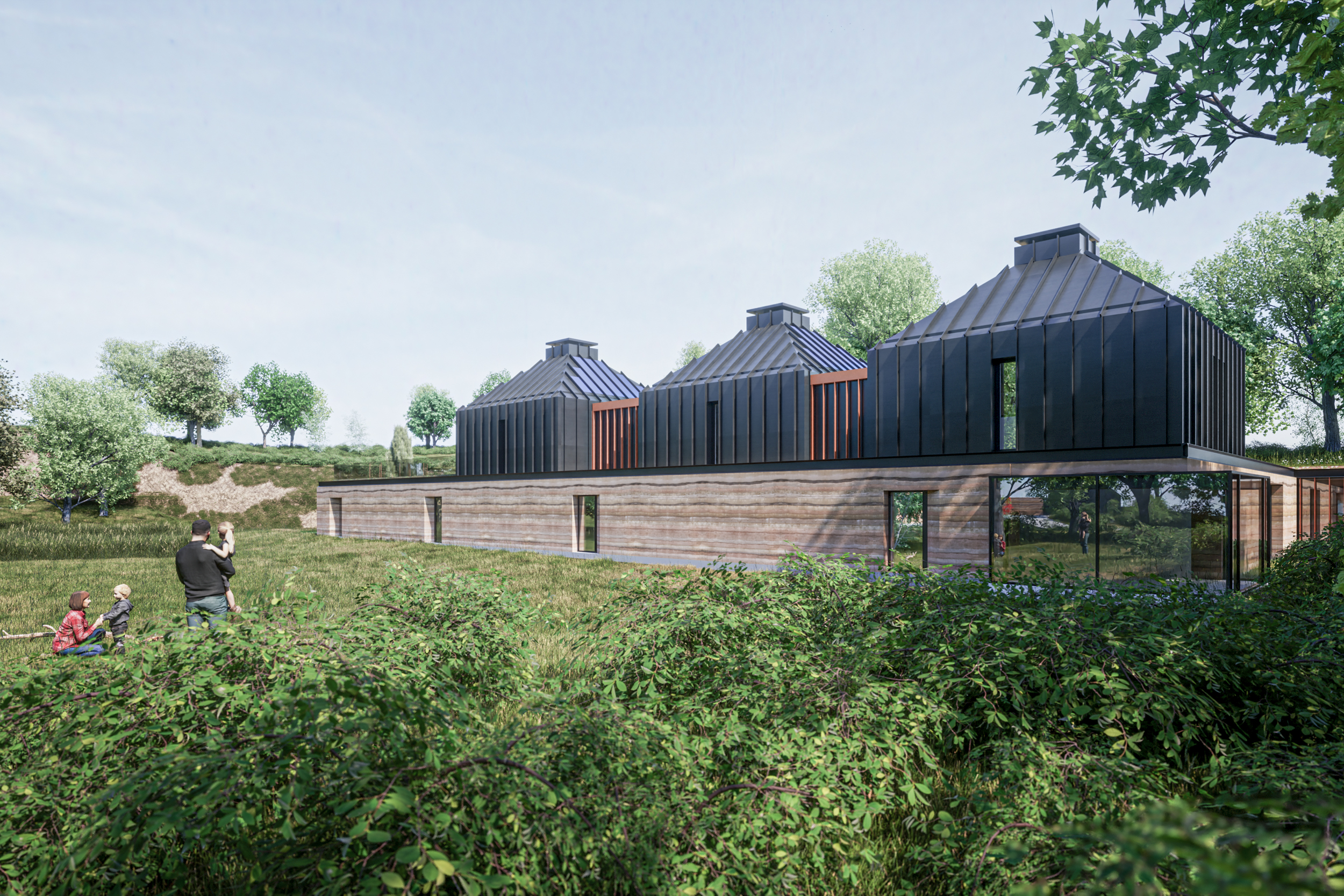
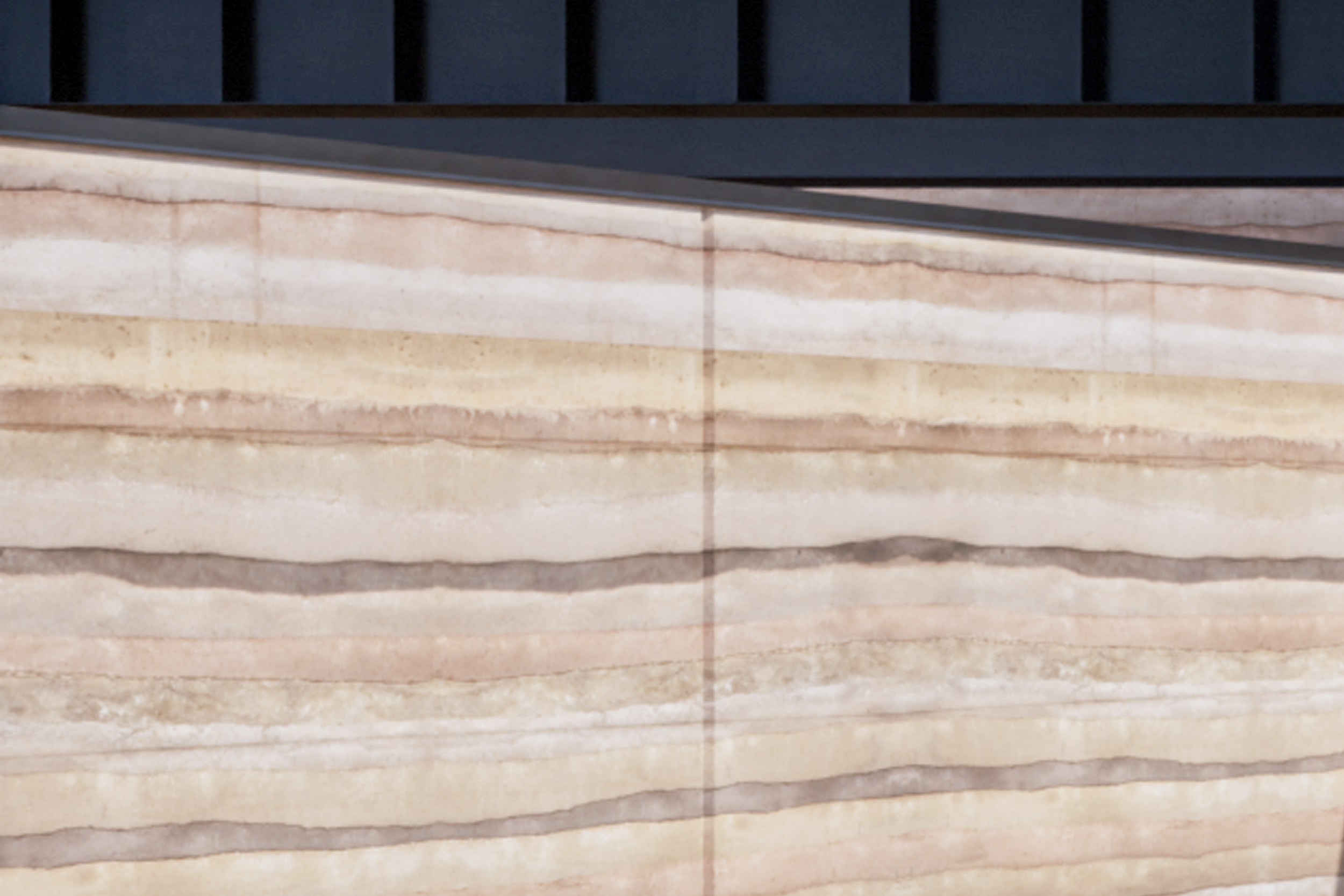
In our approach to sustainability we look to innovate with our material choices, seeking low-carbon alternatives to traditional construction methods. For our two “Paragraph 80” homes at Frilsham Quarry we used stabilised rammed earth (SRE) extensively within the design. SRE is an environmentally friendly construction method with a considerably lower embodied energy than brick or block walls.
SRE is constructed from natural sub soil or crushed stone which has been combined with a small amount of stabiliser and compacted in a removable formwork where it is left to set. The final wall has an attractive natural finish, revealing the hardened horizontal earth layers compressed together whilst retaining the structural properties of cut stone.
5th Elevation: Rethinking the roofscape.
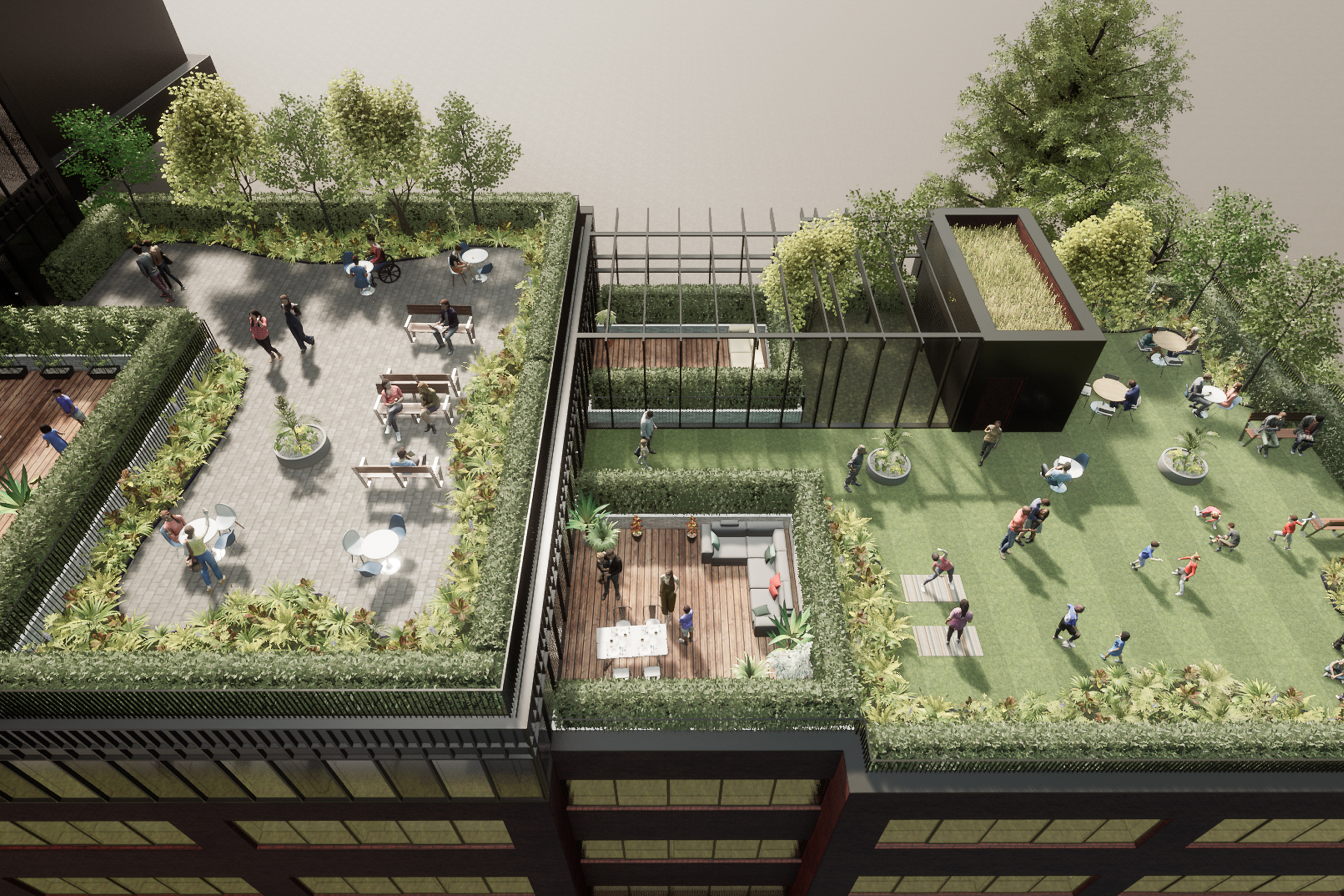
The rooftop offers a wonderful opportunity for placemaking for architects and homeowners alike. The outlook can be dramatic, the air breathable while also providing much needed and often little utilised flexible outdoor living space that can enrich quality of life and forge a restful connection with the outdoors.
Re-thinking the fifth elevation offers untapped scope for sustainable placemaking which not only delivers lifestyle benefits, but delivers demonstrable added value to house builders, hoteliers, educators, and employers.
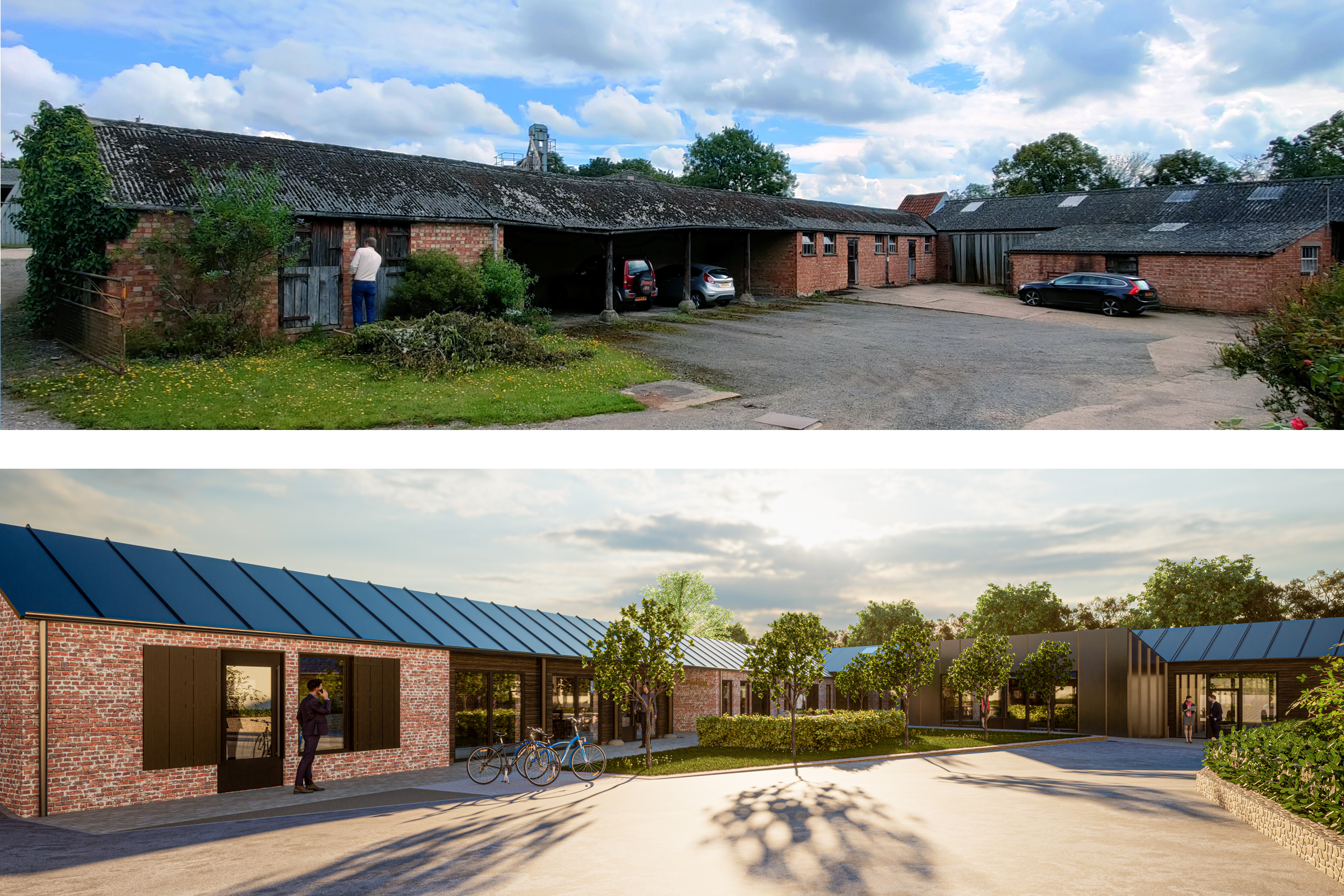
Reinvigorating heritage structures.
By redesigning, retrofitting, and reinvigorating existing structures we can make significant energy savings due to the reduction of the existing embodied carbon, and the subsequent improvements in operational emissions. Whether an old barn, luxury hotel, or a rooftop extension, we are constantly looking for innovative ways in which we can breathe life into existing buildings.